
Weight Loss Education, Weight Loss Medication
Weight Loss Injections: 10 Essential Safety Facts
Sep
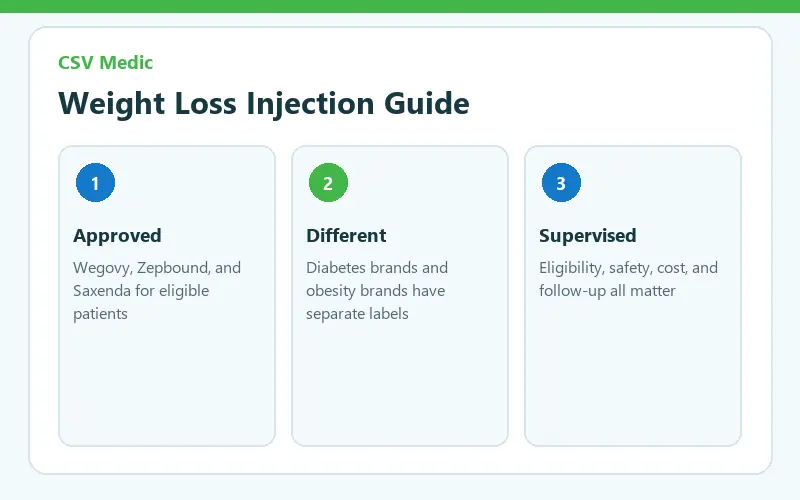
Weight loss injections are prescription medicines delivered under the skin on a schedule defined by the product label. In the United States, FDA-approved injection options for chronic weight management include semaglutide as Wegovy, tirzepatide as Zepbound, and liraglutide as Saxenda for eligible patients. Ozempic and Mounjaro are diabetes brands, not interchangeable weight-loss labels.
The best weight loss shot is not simply the brand with the largest average result in a trial. A clinician must consider the approved indication, body-mass index and weight-related conditions, diabetes status, pregnancy plans, gastrointestinal history, other medicines, coverage, supply, and ability to remain in follow-up.
This guide compares major options, explains GLP-1 shot safety, separates FDA-approved medicines from compounded and wellness injections, and outlines realistic buying questions. It does not provide a personal prescription or an injection schedule.
Key Takeaways
- Wegovy, Zepbound, and Saxenda are FDA-approved injections for chronic weight management in defined populations.
- Ozempic and Mounjaro are approved under different labels for type 2 diabetes, although the active ingredients are related to Wegovy and Zepbound.
- Wegovy and Zepbound are weekly injections; Saxenda is injected daily.
- Average trial results cannot predict one person’s outcome and should not be compared without study context.
- Common side effects are gastrointestinal, including nausea, vomiting, diarrhea, constipation, and abdominal discomfort.
- Product-specific warnings, contraindications, and interactions matter more than the broad term “GLP-1 injection.”
- Compounded drugs are not FDA approved and are not generic versions of branded products.
- Lipotropic, vitamin B12, and peptide injections should not be presented as proven substitutes for approved obesity medicine.
- Total cost includes clinical visits, laboratory work, supplies, coverage rules, and continuity, not only a vial price.
- Medication works best inside a plan that supports nutrition, resistance exercise, sleep, and long-term follow-up.
What Are Weight Loss Injections?
A weight loss injection is a medicine administered by needle or a prefilled pen to support chronic weight management. Current leading products mimic or activate gut-hormone pathways involved in appetite, food intake, glucose regulation, and gastric emptying.
Semaglutide activates the GLP-1 receptor. Tirzepatide activates both GIP and GLP-1 receptors. Liraglutide activates GLP-1 receptors but has a shorter duration, which is why Saxenda is dosed daily rather than weekly.
These medicines do not “melt fat.” They can reduce appetite and energy intake, while individual response depends on biology, adherence, dose tolerance, lifestyle, and duration. CSV Medic’s GLP-1 prescription guide explains the clinical screening process.
FDA-Approved Weight Loss Shots Compared
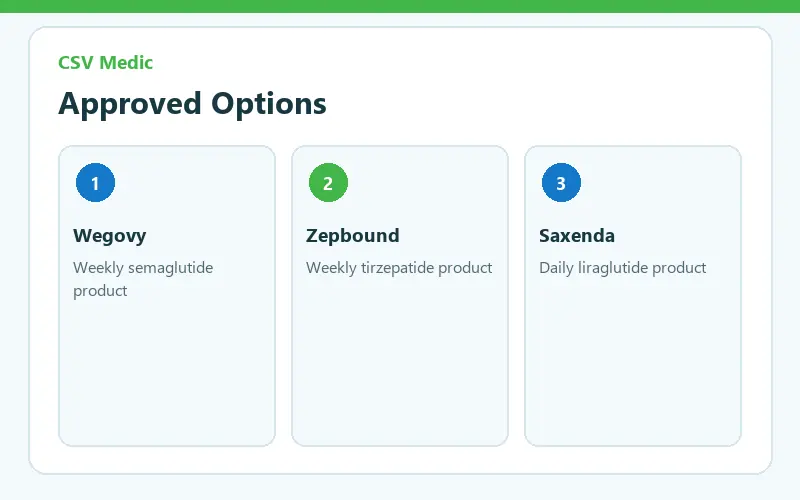
| Brand | Active ingredient | Schedule | Selected approved use | Important distinction |
|---|---|---|---|---|
| Wegovy | Semaglutide | Weekly injection | Chronic weight management in eligible adults and certain adolescents; additional label-specific indications | Different label and pen from Ozempic |
| Zepbound | Tirzepatide | Weekly injection | Chronic weight management in eligible adults; additional approved indication for certain adults with obesity and obstructive sleep apnea | Different label from Mounjaro |
| Saxenda | Liraglutide | Daily injection | Chronic weight management in eligible adults and certain adolescents | Daily rather than weekly |
The current FDA chronic weight-management approval announcement for Zepbound and product labels describe the exact populations and contraindications. Eligibility should be checked against current prescribing information because approvals can change.
1. Wegovy Injection
Wegovy contains semaglutide. The standard injection is used once weekly and escalated gradually to improve tolerability. In 2026, FDA also approved a higher-dose Wegovy HD presentation for certain adults after review of additional clinical data. Higher dose does not mean automatically better for every patient; it brings a product-specific benefit-risk decision.
The current FDA Wegovy prescribing information is the source for approved doses, instructions, warnings, and populations. Readers can also compare Wegovy versus Ozempic and review Wegovy side effects. These supporting articles do not replace the current label.
2. Zepbound Injection
Zepbound contains tirzepatide, a dual GIP and GLP-1 receptor agonist. It is injected weekly. The label includes chronic weight management for eligible adults and, following a separate FDA review, treatment of moderate to severe obstructive sleep apnea in certain adults with obesity.
The FDA Zepbound sleep-apnea approval is a reminder that an approved indication is specific. A person should not infer that every tirzepatide product or every patient with snoring has that indication.
CSV Medic’s Zepbound side-effects guide and Zepbound dose guide cover practical questions.
3. Saxenda Injection
Saxenda contains liraglutide and is injected daily. It has been used longer than the newer weekly obesity medicines, which can provide useful clinical experience. Its daily schedule, efficacy expectations, tolerability, contraindications, and coverage may make it more or less suitable for an individual.
The FDA Saxenda prescribing information explains escalation and the product-specific stopping rule when adequate weight response is not achieved. The existence of newer medicines does not make Saxenda universally obsolete.
Ozempic and Mounjaro: Related, but Different Labels
Ozempic is semaglutide approved for specific type 2 diabetes, cardiovascular, and kidney-risk indications. Mounjaro is tirzepatide approved for glycemic control in type 2 diabetes. Clinicians may prescribe an approved drug off label when medically appropriate, but advertising and patient education should not erase the distinction.
| Diabetes brand | Related obesity brand | Same active ingredient? | Same approved use and instructions? |
|---|---|---|---|
| Ozempic | Wegovy | Semaglutide | No |
| Mounjaro | Zepbound | Tirzepatide | No |
Read Mounjaro versus Ozempic before assuming the products are equivalent.
How Effective Are Weight Loss Injections?
Large randomized trials show clinically meaningful average weight reduction for approved obesity products when combined with lifestyle intervention. However, numbers from separate studies are not head-to-head guarantees. Study populations, diabetes prevalence, duration, dose, adherence, handling of discontinuation, and lifestyle programs differ.
The STEP 1 semaglutide trial in the New England Journal of Medicine and SURMOUNT-1 tirzepatide trial provide landmark evidence. Saxenda’s evidence includes the SCALE obesity and prediabetes trial.
When interpreting a headline result, ask:
- Was it an average or the percentage reaching a threshold?
- How long did the trial last?
- How many participants discontinued treatment?
- Did participants have type 2 diabetes?
- Was the analysis based on staying on treatment?
- What lifestyle support accompanied the drug?
- What adverse effects and withdrawals occurred?
Weight Loss Injection Safety
The GLP-1 shot category shares gastrointestinal concerns, but each label has specific information. Common effects include nausea, diarrhea, vomiting, constipation, and abdominal discomfort. Serious risks can include pancreatitis, gallbladder disease, dehydration-related kidney injury, severe gastrointestinal reactions, hypersensitivity, and hypoglycemia when combined with certain diabetes medicines.
Semaglutide, tirzepatide, and liraglutide products carry boxed warnings about thyroid C-cell tumors observed in rodents. Their relevance to humans is unknown, and the products are contraindicated with a personal or family history of medullary thyroid carcinoma or MEN 2.
The user should also tell procedural teams about GLP-1 use because delayed gastric emptying can affect aspiration risk during anesthesia or deep sedation.
Who Should Avoid or Delay Treatment?
Weight loss shots may be unsuitable or require special planning for:
- pregnancy, breastfeeding, or near-term pregnancy plans;
- personal or family history of medullary thyroid carcinoma or MEN 2;
- severe gastroparesis or major unexplained gastrointestinal symptoms;
- previous serious hypersensitivity to the active ingredient or excipients;
- certain pancreatitis, gallbladder, kidney, or retinal histories;
- use of another medicine containing the same active ingredient or a conflicting GLP-1 agent;
- eating-disorder concerns or inability to maintain adequate nutrition;
- inability to obtain consistent follow-up or a reliable supply.
This list is not complete. A medical weight-loss consultation should review the full medication list and relevant history.
Injection Schedule and Technique
Patients should follow the product-specific instructions and prescriber’s plan. Weekly products generally use the same day each week, while Saxenda is daily. Escalation is designed to improve tolerability and is not a race to the highest dose.
General safety points include:
- verify the label and pen before every dose;
- use a new needle when the device requires one;
- rotate approved injection areas;
- do not inject into irritated, scarred, or infected skin;
- do not share a pen;
- follow refrigeration and room-temperature limits;
- use an FDA-cleared sharps container or an accepted local alternative;
- contact the pharmacy for damaged, frozen, overheated, or unclear products.
The FDA safe disposal guide explains household sharps handling.
Compounded Weight Loss Injections
Compounded drugs can serve an important role when a licensed prescriber determines that a patient’s needs cannot be met by an available approved product and legal requirements are satisfied. They are not FDA approved, and FDA does not review them before marketing for safety, effectiveness, or quality.
FDA has reported dosing errors, fraudulent labeling, adverse events, and concerns involving semaglutide salt forms. It also warns that compounded products cannot be marketed as generic versions or “the same as” approved medicines. Review the agency’s concerns with unapproved GLP-1 drugs.
Questions for any pharmacy include:
- Is it licensed to dispense to the patient’s state?
- What clinical need justifies compounding?
- What active ingredient and form are used?
- How is concentration expressed on the label?
- What testing supports identity, potency, sterility, and endotoxin limits?
- How are shipping temperature and delivery delays handled?
- Who responds to adverse events and recalls?
B12, Lipotropic, and Peptide Injections
Some clinics advertise vitamin B12, lipotropic combinations, amino acids, or research peptides as weight loss injections. Vitamin B12 treats deficiency when appropriately diagnosed; it is not an FDA-approved stand-alone obesity drug. “Lipotropic” is a marketing category, not proof of durable fat loss.
Experimental peptides may have laboratory or early clinical research, but that does not establish safety, effectiveness, or legal availability for routine patient use. See what peptides are and are peptides legal.
Weight Loss Injection Cost
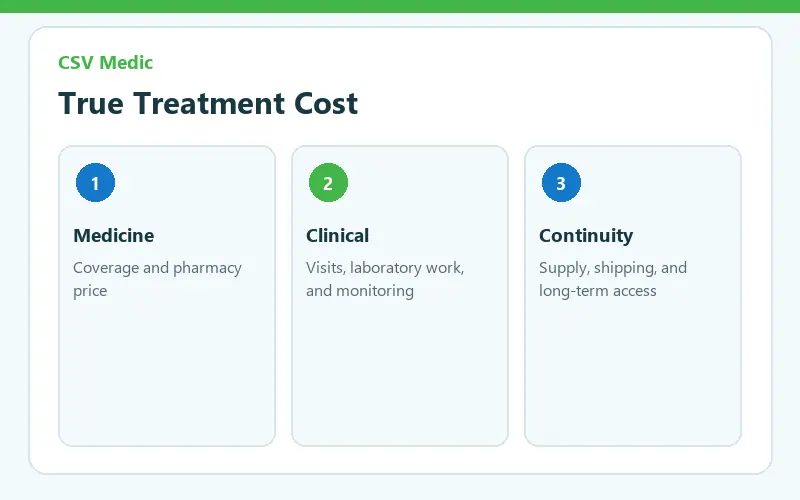
The real cost of weight loss shots can include:
- the medicine or pharmacy charge;
- clinician consultations and follow-up;
- laboratory testing;
- needles, swabs, or sharps disposal;
- insurance deductible, copayment, or prior authorization;
- shipping and temperature-control fees;
- treatment for side effects;
- missed doses if supply is interrupted.
Cash prices and coverage rules change. Manufacturer savings programs have eligibility restrictions and should be checked on the official brand site. A low advertised monthly price may exclude clinical care or may describe a non-approved compounded product.
How to Choose a Weight Loss Shot
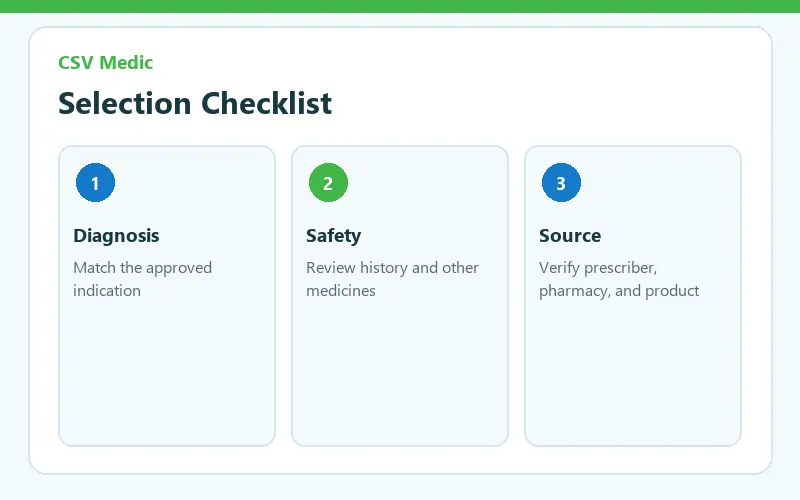
| Decision factor | Questions to ask |
|---|---|
| Diagnosis | Is the product approved for my condition and age? |
| Expected benefit | What outcome is realistic over six to twelve months? |
| Safety | Which label warnings apply to my history and medicines? |
| Tolerability | What is the plan if nausea, constipation, or vomiting occurs? |
| Monitoring | Which visits and tests are needed? |
| Cost | Is the full treatment pathway affordable and sustainable? |
| Continuity | What happens during travel, supply disruption, or a procedure? |
| Source | Is the prescriber and dispensing pharmacy verifiable? |
Nutrition and Exercise During Treatment
Appetite reduction can make it easier to eat less, but it can also make it easier to under-eat protein, fluids, fiber, and micronutrients. The plan should prioritize nutrient density rather than simply the fewest calories.
Useful foundations may include:
- a clinician-appropriate protein target spread across meals;
- vegetables, fruit, whole grains, legumes, or other tolerated fiber sources;
- hydration adapted to kidney and heart health;
- resistance training to support strength and lean tissue;
- aerobic activity matched to fitness and mobility;
- sleep evaluation and treatment when needed;
- gradual changes that can continue if medication changes.
The CDC adult activity guidelines provide a general starting point. People with limitations need individualized recommendations.
What Progress Should Be Monitored?
A responsible program measures more than pounds. Depending on the diagnosis, follow-up may include waist circumference, blood pressure, glucose, A1C, kidney function, lipids, sleep-apnea symptoms, medication tolerance, strength, and the ability to maintain adequate nutrition. A plateau is not automatically a reason to raise a dose or change brands.
The clinician should also define a reassessment point. If the medicine is poorly tolerated, unaffordable, unavailable, or not producing a meaningful health benefit, the plan may need to change. That decision should account for the dose actually reached, duration, adherence, lifestyle support, and whether another condition is affecting weight.
Patients can prepare by recording injection dates, the exact product and dose, symptoms, fluid intake during illness, and any changes to diabetes medicines. Photos and home scales can be useful, but they should not replace laboratory and functional outcomes. The goal is a sustainable improvement in health, not a race against another person’s social-media timeline.
Patient Experiences and Forums
Forum discussions can show the questions people ask after their first weight loss shot, including this Mayo Clinic Connect discussion about Ozempic and Saxenda and a Reddit conversation about early Ozempic experiences. They are anecdotal, may involve unverified products, and cannot estimate benefit or risk.
Use patient stories to prepare questions such as “What should I do if I cannot drink enough?” or “When should dose escalation pause?” Do not copy another person’s dose or side-effect remedy.
Frequently Asked Questions
What is the strongest weight loss injection?
There is no universally strongest or best product. Trial averages, eligibility, safety, tolerance, and access must be considered together.
What weight loss shots are FDA approved?
Wegovy, Zepbound, and Saxenda are approved for chronic weight management in defined populations. Always check current labels for the exact indication.
Is Ozempic a weight loss injection?
Ozempic is approved for specific type 2 diabetes, cardiovascular, and kidney-risk indications, not chronic weight management. Wegovy is the semaglutide obesity brand.
Is a GLP-1 shot safe?
Approved GLP-1 medicines have established benefits and known risks for defined populations. Safety depends on the product, patient, other medicines, and monitoring.
How quickly do weight loss injections work?
Appetite or glucose changes may occur early, but meaningful weight assessment takes months. Escalation and response vary.
Do people regain weight after stopping?
Regain can occur after discontinuation because appetite biology and chronic disease remain. A transition and maintenance plan is important.
Are compounded injections generic versions?
No. Compounded products are not FDA-approved generics and should not be marketed as equivalent to approved brands.
Can I switch from Ozempic to Wegovy or Mounjaro to Zepbound?
Only with prescriber guidance. Related products have different labels, devices, doses, indications, and coverage requirements.
Do I need diet and exercise with a weight loss shot?
Yes. Approved products are used with reduced-calorie nutrition and increased physical activity, adapted to the patient.
Where can adverse events be reported?
Contact the prescriber and use FDA MedWatch for serious or unexpected events.
Conclusion
Weight loss injections can be effective tools for eligible patients, but the correct product depends on indication, safety, tolerance, access, and long-term follow-up. Wegovy, Zepbound, and Saxenda have product-specific FDA approvals; diabetes brands, compounded drugs, vitamins, and research peptides should not be blurred into the same category.
Browse CSV Medic’s weight-loss medications or contact the care team for information about legally available products, pharmacy services, and clinician-guided options. A collection page is a starting point, not a prescription.
Medical disclaimer: This article is educational and not medical advice. It does not diagnose, prescribe, or replace an individual consultation with a qualified clinician.
Editorial review: Prepared for CSV Medic and intended for review by Dr Spencer before publication. Regulatory information checked September 1, 2026.
