
Weight Loss Education, Weight Loss Medication
Ozempic Side Effects: 11 Essential Safety Facts
Sep
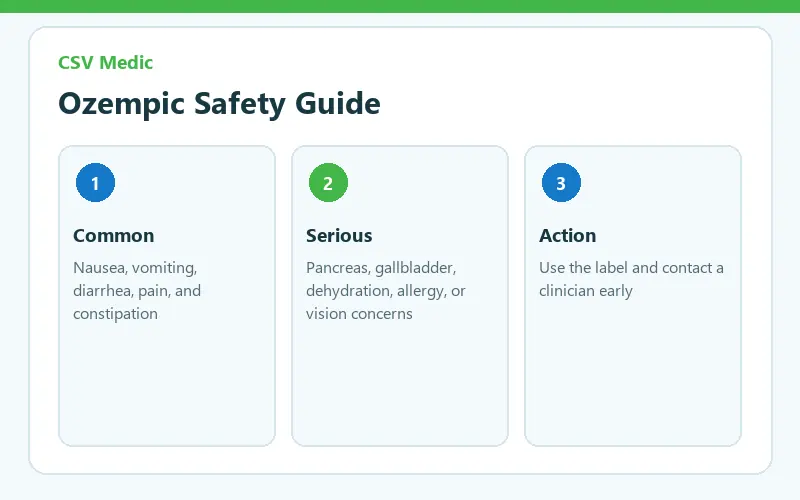
Ozempic side effects most often involve the digestive system. Nausea, vomiting, diarrhea, abdominal pain, and constipation are listed among the common reactions in the current FDA prescribing information. Many symptoms are mild or temporary, but severe abdominal pain, persistent vomiting, dehydration, vision changes, allergic symptoms, or signs of gallbladder disease need prompt medical attention.
Ozempic is the brand name for a once-weekly semaglutide injection approved for specific adults with type 2 diabetes. It is not FDA approved as a weight-loss drug, although weight change can occur during treatment. Wegovy is a different semaglutide product with approved chronic weight-management indications. Product names, doses, devices, and approved uses should not be treated as interchangeable.
This guide answers what are the side effects of Ozempic, explains short- and long-term safety questions, and shows which symptoms deserve urgent care. It uses the September 2026 FDA label rather than social-media claims. Individual risk depends on medical history, other medicines, dose escalation, hydration, and the reason semaglutide was prescribed.
Key Takeaways
- The most common Ozempic side effects are nausea, vomiting, diarrhea, abdominal pain, and constipation.
- Digestive symptoms often appear when treatment starts or the dose increases, but severity varies widely.
- Severe, persistent abdominal pain can signal pancreatitis or gallbladder disease and needs medical evaluation.
- Vomiting or diarrhea can cause dehydration and acute kidney injury, especially in vulnerable patients.
- People using insulin or a sulfonylurea may have a higher hypoglycemia risk.
- Rapid glucose improvement can temporarily worsen diabetic retinopathy in some patients.
- Ozempic carries a boxed warning about thyroid C-cell tumors observed in rodents; relevance to humans is unknown.
- Hair loss is reported after marketing, but illness, calorie restriction, rapid weight change, nutrient intake, and other conditions can also contribute.
- Ozempic is not recommended in severe gastroparesis and must be discussed before anesthesia or deep sedation.
- A personal benefit-risk decision should use the FDA label, diagnosis, laboratory results, and clinician follow-up.
- Patient forums can reveal questions, but anecdotes cannot estimate how often a reaction occurs or prove its cause.
What Is Ozempic and Who Is It For?
Ozempic contains semaglutide, a glucagon-like peptide-1 receptor agonist. The current FDA Ozempic prescribing information includes uses for improving glycemic control in adults with type 2 diabetes, reducing major cardiovascular events in certain adults with type 2 diabetes and cardiovascular disease, and reducing kidney and cardiovascular risks in certain adults with type 2 diabetes and chronic kidney disease.
Semaglutide increases glucose-dependent insulin secretion, reduces inappropriate glucagon release, and slows gastric emptying. Those effects help explain both therapeutic action and some gastrointestinal reactions. The medication is not insulin, and it does not treat type 1 diabetes.
People comparing products should read how Ozempic works and Wegovy versus Ozempic. The same active ingredient does not mean the brands have identical approved indications or dosing instructions.
Common Ozempic Side Effects
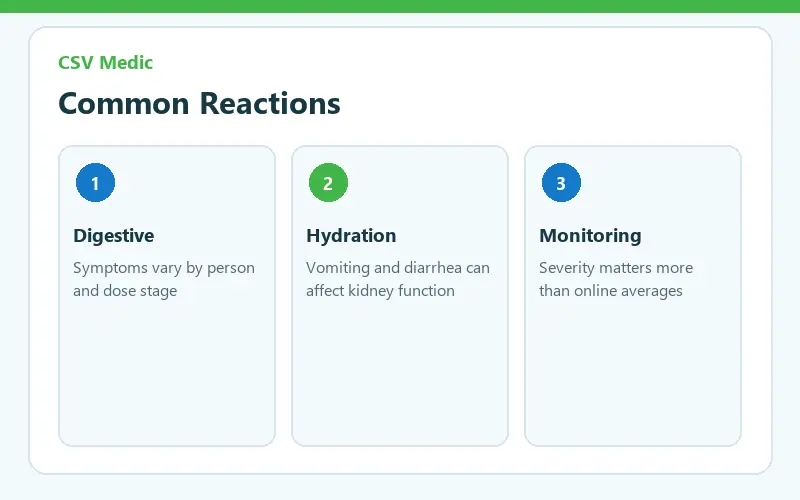
In placebo-controlled trials, gastrointestinal reactions were the dominant tolerability issue. The exact percentage depends on dose and study population, so a single number cannot predict one person’s experience.
| Reaction | What it may feel like | Practical response |
|---|---|---|
| Nausea | Queasiness, reduced appetite, food aversion | Contact the prescriber if persistent or limiting fluids |
| Vomiting | Repeated emesis or inability to keep liquids down | Seek advice promptly because dehydration can develop |
| Diarrhea | Frequent or loose stools | Replace fluids; report severe or prolonged symptoms |
| Abdominal pain | Cramping, pressure, or generalized discomfort | Severe or persistent pain needs assessment |
| Constipation | Hard stools, straining, reduced frequency | Discuss safe management, especially with severe pain or swelling |
Side effects of Ozempic are not a measure of whether the medicine is “working.” A person can obtain glycemic benefit without nausea, and severe illness should never be accepted as proof of effectiveness.
Ozempic Nausea, Vomiting, and Diarrhea
Ozempic nausea is commonly discussed because semaglutide affects appetite and gastric emptying. Smaller portions and avoiding a very large, fatty meal may be easier to tolerate, but persistent symptoms require more than an online food list. A clinician may need to assess dose timing, escalation, other medicines, infection, gallbladder disease, pancreatitis, or another gastrointestinal condition.
Ozempic diarrhea and vomiting can become dangerous when fluid losses exceed intake. Warning signs include dizziness, faintness, very dark urine, reduced urination, rapid heartbeat, confusion, or inability to keep fluids down. The FDA label warns that dehydration from gastrointestinal reactions can contribute to acute kidney injury.
MedlinePlus semaglutide injection information offers a patient-level overview, while the label remains the definitive product-specific source.
Ozempic Constipation and Bowel Symptoms
Ozempic constipation may be mild, but severe constipation with increasing abdominal swelling, vomiting, inability to pass stool or gas, or intense pain deserves urgent evaluation. Postmarketing reports include ileus, intestinal obstruction, severe constipation, and fecal impaction. A report after approval does not prove the drug caused every case, but it is important enough to appear in current labeling.
Patients should not combine laxatives, fiber products, or supplements without considering fluid intake, kidney function, other medicines, and possible obstruction. A pharmacist or prescriber can help select an appropriate approach.
Ozempic Pancreatitis Symptoms
Acute pancreatitis has occurred in people using GLP-1 receptor agonists. Ozempic pancreatitis symptoms can include severe and persistent upper abdominal pain, sometimes radiating to the back, with or without vomiting. Stop using the medicine and seek urgent clinical advice if these symptoms occur, following the product instructions and prescriber’s plan.
Pancreatitis cannot be diagnosed from symptoms alone. Gallstones, alcohol exposure, very high triglycerides, and other medicines may also contribute. The National Institute of Diabetes and Digestive and Kidney Diseases overview of pancreatitis explains why laboratory testing and imaging may be necessary.
Gallbladder Disease
The label reports acute gallbladder disease, including cholelithiasis and cholecystitis. Symptoms may include right upper abdominal pain, fever, jaundice, nausea, or clay-colored stools. Rapid weight loss itself can raise gallstone risk, which makes clinical evaluation more useful than assuming one cause.
A large systematic review in JAMA Internal Medicine found GLP-1 receptor agonist use was associated with increased risk of gallbladder or biliary disease, particularly in weight-loss trials and at higher doses or longer duration. Association does not mean every patient will develop disease, but it supports symptom awareness.
Diabetic Retinopathy and Vision Changes
Ozempic can be appropriate for people with diabetes, yet rapid improvement in glucose may temporarily worsen diabetic retinopathy in susceptible patients. New floaters, blurred vision, dark areas, or sudden vision loss require prompt eye care.
People with a history of diabetic retinopathy may need monitoring. The National Eye Institute diabetic retinopathy guide explains symptoms and screening. Vision changes should not be dismissed as an expected cosmetic effect.
Hypoglycemia With Other Diabetes Medicines
Semaglutide alone has a lower hypoglycemia risk than insulin or sulfonylureas because its insulin effect is glucose dependent. However, combining Ozempic with insulin or a sulfonylurea can increase risk. Sweating, tremor, hunger, confusion, palpitations, or weakness may signal low glucose.
Patients should follow their diabetes plan and monitoring instructions. Dose changes to insulin or other medicines require the prescribing clinician; they should not be improvised from a forum protocol.
Thyroid C-Cell Tumor Warning
Ozempic has an FDA boxed warning because semaglutide caused thyroid C-cell tumors in rodents. It is unknown whether it causes medullary thyroid carcinoma in humans. The medicine is contraindicated in people with a personal or family history of medullary thyroid carcinoma or Multiple Endocrine Neoplasia syndrome type 2.
A neck mass, persistent hoarseness, difficulty swallowing, or shortness of breath should be evaluated. Routine screening decisions should be individualized rather than driven by fear or a social-media checklist.
Kidney Injury and Dehydration
Acute kidney injury has been reported, often in the setting of nausea, vomiting, diarrhea, or dehydration. People with chronic kidney disease, older adults, and those taking medicines that affect fluid balance may need closer monitoring.
The practical lesson is not simply “drink more water.” Fluid recommendations can differ in heart failure, kidney disease, and other conditions. Severe fluid loss or reduced urination needs medical advice.
Severe Gastrointestinal Reactions and Gastroparesis
Semaglutide delays gastric emptying. Ozempic is not recommended for patients with severe gastroparesis. Persistent early fullness, recurrent vomiting, inability to tolerate meals, significant abdominal distension, or unintentional undernutrition deserves evaluation.
The NIDDK gastroparesis resource describes diagnostic testing and common causes. Symptoms alone cannot determine whether semaglutide, diabetes-related nerve injury, another medication, or a separate disorder is responsible.
Allergic Reactions and Injection-Site Problems
Serious hypersensitivity reactions, including anaphylaxis and angioedema, have been reported. Trouble breathing, swelling of the face or throat, widespread hives, or fainting is an emergency.
Injection-site discomfort can occur, but spreading redness, warmth, drainage, fever, or escalating pain may indicate infection. Patients should use the prescribed pen, follow storage and needle instructions, and never share an Ozempic pen even if the needle is changed.
Does Ozempic Cause Hair Loss?
The question does Ozempic cause hair loss needs a careful answer. Alopecia appears in postmarketing reports, but these reports cannot establish frequency or prove causation. Rapid weight change, low protein or micronutrient intake, thyroid disease, iron deficiency, acute illness, stress, and genetic hair loss can produce similar shedding.
Clinicians may review the timeline, dietary intake, laboratory tests, scalp findings, and other medications. A targeted assessment is more useful than purchasing unverified “hair rescue” supplements.
Ozempic Side Effects in Females and Males
Searches for Ozempic side effects in females and Ozempic side effects in males often imply two separate lists. Most labeled reactions apply across sexes. Differences may arise from pregnancy potential, contraception, hormonal conditions, body composition, comorbid disease, and concurrent medicines rather than a simple male-versus-female rule.
Semaglutide should be discontinued at least two months before a planned pregnancy because of its long washout period. The Ozempic and pregnancy guide explains planning, while the prescriber should give patient-specific advice.
Long-Term Effects of Ozempic
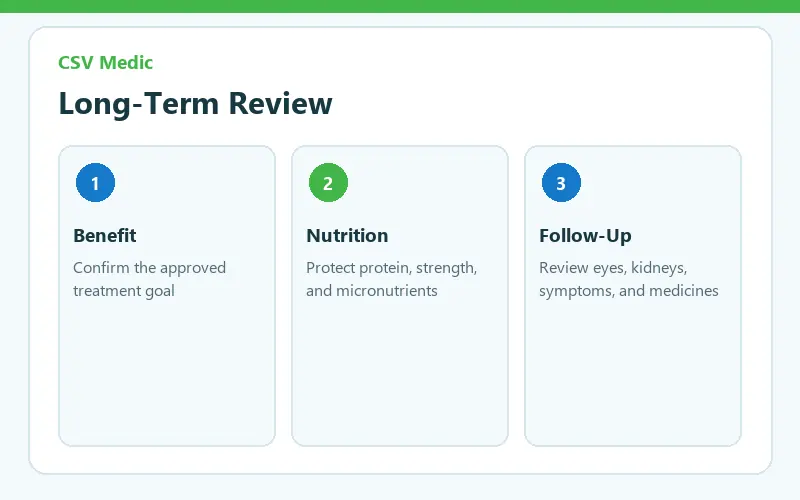
Questions about the long-term effects of Ozempic should separate known labeled risks from unanswered questions. Semaglutide has been studied in large cardiovascular, kidney, and diabetes programs, but no trial can answer every rare event or every off-label pattern of use.
Long-term care should review:
- whether the approved treatment goal is being met;
- glucose, kidney function, and other relevant laboratory results;
- eye disease in people at risk;
- gallbladder and gastrointestinal symptoms;
- nutrition, strength, and unwanted lean-mass loss;
- other medicines as body weight and glucose change;
- ongoing affordability and access;
- what happens if treatment is interrupted.
Stopping a chronic therapy can change appetite, glucose, and weight. That is a reason to plan with a clinician, not evidence of addiction.
Surgery, Sedation, and Aspiration Risk
Because GLP-1 medicines delay gastric emptying, residual stomach contents may be present despite standard fasting. Rare aspiration events have been reported during general anesthesia or deep sedation. Tell the surgical, anesthesia, and endoscopy teams that Ozempic is being used and when the last dose was taken.
Professional guidance evolves and should be applied to the procedure and patient. The American Society of Anesthesiologists GLP-1 resource describes a risk-based approach rather than a universal social-media rule.
When to Seek Urgent Care
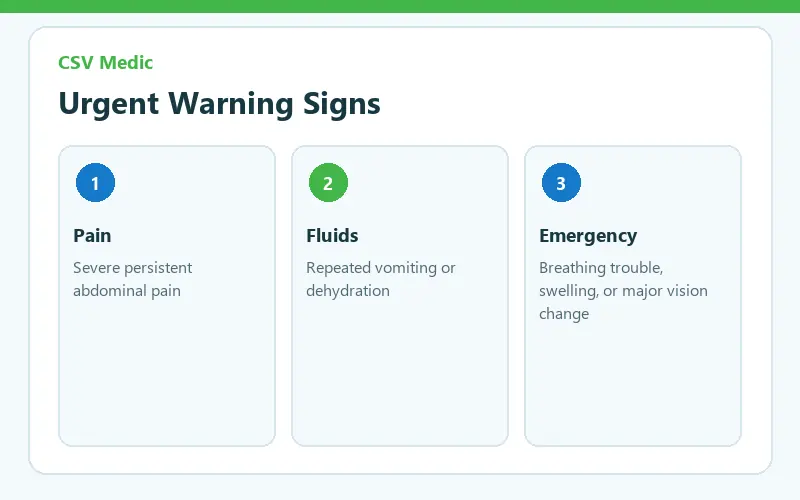
Seek urgent medical help for:
- severe, persistent abdominal pain, especially with vomiting;
- inability to keep fluids down or signs of dehydration;
- swelling of the face or throat, breathing difficulty, or fainting;
- sudden or major vision changes;
- severe constipation with swelling, vomiting, or inability to pass gas;
- symptoms of very low glucose that do not improve with the prescribed plan;
- jaundice, fever, or severe right upper abdominal pain;
- an injection-site reaction with rapidly spreading redness or systemic illness.
Reducing Avoidable Risk
Risk reduction starts before the first dose. Review the diagnosis, approved indication, history of pancreatitis or gallbladder disease, retinopathy, kidney function, gastrointestinal symptoms, thyroid cancer history, pregnancy plans, and all medicines.
Use only the prescribed product from a licensed pharmacy. FDA warns that unapproved compounded GLP-1 products do not undergo premarket review for safety, effectiveness, or quality. The agency’s compounded GLP-1 safety information discusses dosing errors, fraudulent labels, salt forms, and adverse events.
CSV Medic’s Ozempic cost guide and medical weight-loss consultation guide can help patients prepare practical questions without treating cost or convenience as proof of quality.
Patient Discussions Are Anecdotal
Patient communities can show how differently people describe symptoms. Examples include an Ozempic side-effect discussion on Reddit and a Mayo Clinic Connect discussion about weight-loss injections. These are user-generated reports, not controlled safety data.
People who post may have different diagnoses, products, doses, diets, and concurrent medicines. Severe experiences may be overrepresented, while unreported events are invisible. Use forums to identify questions for a clinician, not to calculate personal risk or copy treatment instructions.
Frequently Asked Questions
What are the most common Ozempic side effects?
Nausea, vomiting, diarrhea, abdominal pain, and constipation are the common reactions listed in FDA prescribing information.
How long do side effects of Ozempic last?
Some digestive symptoms improve after the body adjusts, but duration varies. Persistent, worsening, or severe symptoms should be assessed rather than waited out indefinitely.
What are Ozempic pancreatitis symptoms?
Severe and persistent abdominal pain, sometimes radiating to the back and occurring with vomiting, requires urgent evaluation.
Does Ozempic cause hair loss?
Alopecia has been reported after marketing, but the drug may not be the only possible cause. Rapid weight change, nutrition, illness, thyroid disease, and iron deficiency should also be considered.
Can Ozempic cause constipation?
Yes. Constipation is a labeled common reaction. Severe pain, vomiting, swelling, or inability to pass stool or gas requires prompt care.
Are Ozempic side effects different in females?
Most labeled effects apply broadly. Pregnancy planning and reproductive considerations are particularly important for people who can become pregnant.
Can Ozempic affect the eyes?
Diabetic retinopathy complications can occur, particularly with rapid glucose improvement in susceptible patients. New vision changes need prompt assessment.
Is Ozempic safe for weight loss without diabetes?
Ozempic is not FDA approved for chronic weight management. A clinician can determine whether an approved obesity medicine, lifestyle program, or another approach fits the patient’s health needs.
Can Ozempic be used before surgery?
Tell the procedural and anesthesia teams. They will assess aspiration risk, symptoms, dose timing, and the type of procedure using current guidance.
Should side effects be reported?
Serious or unexpected reactions should be discussed with the prescriber. Patients and clinicians can also report events through FDA MedWatch.
Conclusion
Ozempic side effects are usually gastrointestinal, but pancreatitis, gallbladder disease, dehydration-related kidney injury, retinopathy complications, severe gastrointestinal reactions, hypoglycemia with certain medicines, allergic reactions, and aspiration risk deserve careful attention. The safest approach is a verified product, a correct diagnosis, gradual label-based escalation, and follow-up that responds to symptoms early.
CSV Medic provides education about weight-loss medications and clinician-guided options. Browse the relevant collection or contact the care team for information about legally available products and pharmacy services. Availability never replaces eligibility, an appropriate prescription, or individual medical review.
Medical disclaimer: This article is for educational purposes only and is not medical advice. It does not diagnose, prescribe, or replace care from a qualified clinician. Seek urgent care for severe or rapidly worsening symptoms.
Editorial review: Prepared for CSV Medic and intended for clinical review by Dr Spencer before publication. Regulatory and labeling information checked September 1, 2026.
