
Weight Loss Education, Weight Loss Medication
Ozempic Weight Loss Results: 9 Essential Facts

Jul
Ozempic weight loss results receive enormous attention because many people using semaglutide for type 2 diabetes also lose weight. The crucial regulatory detail is often lost: Ozempic is an FDA-approved semaglutide product for type 2 diabetes and related risk-reduction indications in eligible adults, not the semaglutide brand approved specifically for chronic weight management. Wegovy is the semaglutide product with weight-management labeling.
That distinction does not erase the clinical evidence that semaglutide can affect appetite and body weight. It helps patients interpret Ozempic weight loss results accurately and avoid choosing a brand from social media alone. This guide explains timelines, plateaus, common side effects, and why some people do not see the result they expected.
How Ozempic Weight Loss Results Develop
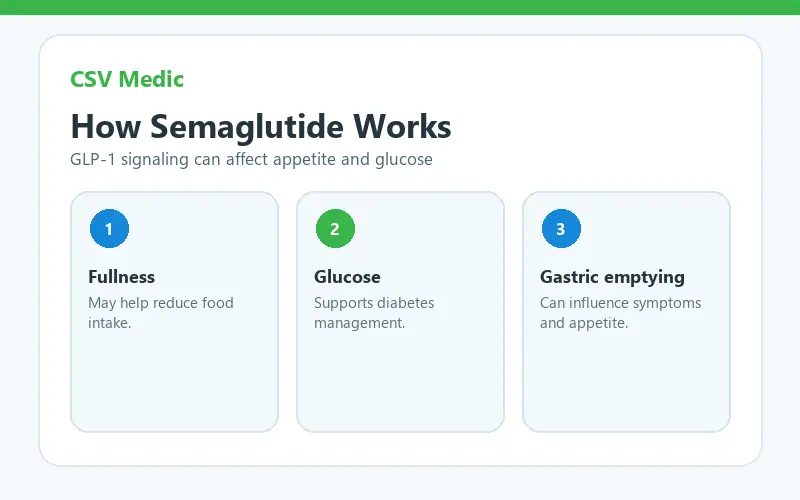
Semaglutide activates the GLP-1 receptor. It can increase fullness, reduce appetite, and slow gastric emptying, especially during the earlier period after a dose. For a person with type 2 diabetes, improved glucose management and changes in food intake may be accompanied by weight loss. The amount differs widely among individuals.
Ozempic weight loss results should be discussed within the approved treatment goal and dose for Ozempic, not by copying weight-management studies of a different product or a higher semaglutide dose. A prescriber can explain the label, the reason Ozempic was selected, and whether a separate chronic weight-management indication applies to the patient.
Nine Essential Facts About Ozempic Weight Loss Results
1. Results develop over time
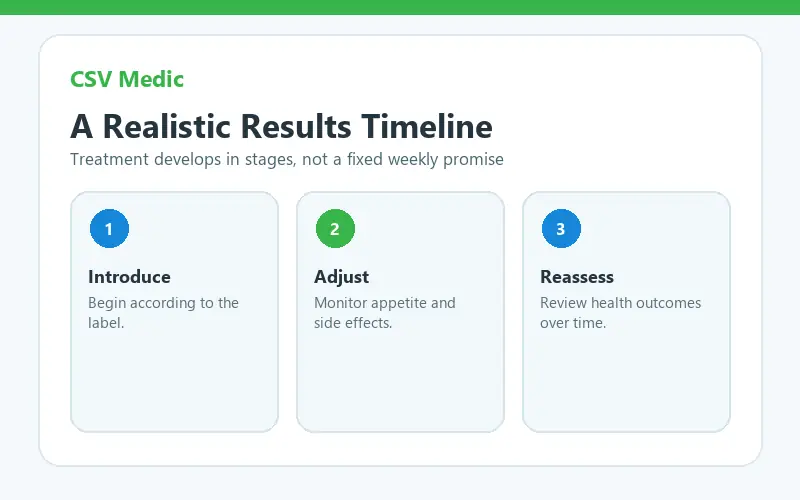
Semaglutide is introduced gradually to reduce gastrointestinal side effects. Early weeks are not a fair final test. Some people notice appetite changes quickly, while visible weight change may take longer. A meaningful timeline is measured in months, with attention to adherence, tolerability, nutrition, activity, glucose goals, and the prescribed dose.
2. Trial averages are not personal guarantees
Ozempic weight loss results from clinical studies report averages across many participants. Individual outcomes may be above or below the average. Diabetes duration, other medications, baseline weight, sleep, stress, health conditions, food intake, and activity can all influence change. A before-and-after picture cannot capture those factors.
3. Ozempic and Wegovy are not interchangeable labels
Both contain semaglutide, but their FDA-approved indications, dose ranges, and prescribing information differ. Ozempic is not labeled as a stand-alone obesity treatment, while Wegovy is approved for chronic weight management in eligible people and has additional risk-reduction labeling. A clinician should select the product according to diagnosis and current prescribing information.
4. Why am I not losing weight on Ozempic?
When a patient asks why am I not losing weight on Ozempic, the answer may involve time, dose stage, missed doses, medication storage, compensatory eating, liquid calories, sleep, stress, another medicine, thyroid or hormonal issues, or an unrealistic comparison with online stories. The first step is a clinical review, not doubling the dose or adding another product.
5. A plateau does not always mean failure
Weight loss commonly slows as body size and energy needs change. A plateau can also reveal that appetite has returned, activity decreased, constipation changed scale readings, or the current plan is not sustainable. The prescriber can review the full trend, waist measurement, glucose control, side effects, and health goals before deciding whether treatment should continue or change.
6. Muscle loss is a preventable concern
Any substantial weight reduction can include lean mass as well as fat. Low appetite may make it difficult to eat enough protein, and fatigue can reduce strength training. A plan should protect function with individualized protein intake, resistance exercise when safe, and monitoring of strength or body composition. Read our guide to peptides for muscle growth and fat loss for patient-friendly muscle-retention steps.
7. Side effects can change eating and hydration
Common Ozempic side effects include nausea, vomiting, diarrhea, abdominal pain, and constipation. These effects can temporarily reduce intake, but severe dehydration or persistent inability to eat is not a healthy weight-loss strategy. Patients should know warning signs related to pancreatitis, gallbladder disease, kidney injury, severe gastrointestinal symptoms, allergic reactions, and the boxed thyroid C-cell tumor warning in the label.
8. Stopping can change appetite and weight
GLP-1-based medicines are used as long-term treatments when benefits continue to outweigh risks. Appetite can return after stopping, and weight regain is possible without a sustainable maintenance plan. Cost, pregnancy plans, side effects, supply, or lack of benefit may require a change. Discuss transitions with the prescriber instead of stretching doses or buying an unverified substitute.
9. The best result is broader than the scale
For a patient with type 2 diabetes, meaningful Ozempic results may include improved A1C, cardiovascular or kidney risk considerations under the current label, better mobility, and reduced waist circumference. A smaller scale number is only one outcome. Treatment should support overall health, not encourage dehydration, severe restriction, or a race with another person’s photo.
Ozempic Weight Loss Results and Before-and-After Pictures
Ozempic weight loss before and after pictures can be motivating, but they are weak evidence. Lighting, posture, clothing, editing, time frame, and other treatments are rarely controlled. Photos also do not show blood pressure, glucose, muscle strength, gallstones, nutrition, or whether the result lasted.
A better personal record includes consistent measurements and private photographs taken under similar conditions, plus clinical outcomes selected with the provider. Patients should not post identifiable medical images unless they are comfortable with permanent online distribution.
When Ozempic Weight Loss Results Are Slower Than Expected
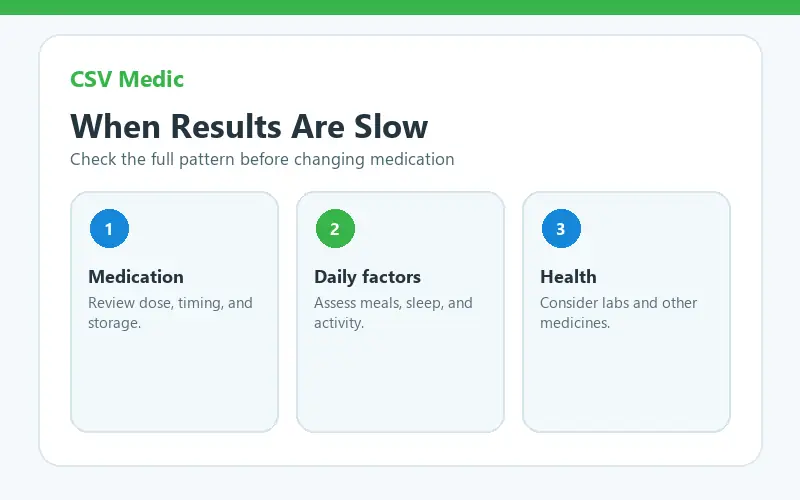
- Confirm that doses were taken and stored exactly as prescribed.
- Review how long you have been at the current dose stage.
- Track hunger, meals, drinks, protein, fiber, and constipation without judgment.
- Check sleep, stress, mobility, and medicines that can affect weight.
- Discuss glucose patterns and relevant laboratory testing.
- Set a reassessment date and agree on what benefit would justify continuing.
Do not respond to a plateau by using more than prescribed, injecting more often, or combining semaglutide with another GLP-1 medicine. A licensed weight loss consultation can review the pattern and compare approved options. Our weight loss program overview explains how medication fits into broader care, while the CSV Medic education library provides additional medication and safety guides.
Ozempic vs Wegovy for Weight Management
| Question | Ozempic | Wegovy |
|---|---|---|
| Active ingredient | Semaglutide | Semaglutide |
| Primary FDA labeling | Type 2 diabetes and specified risk-reduction uses | Chronic weight management and specified risk-reduction uses |
| Dose schedule | Follow the Ozempic label | Follow the Wegovy label |
| Can patients substitute? | No self-substitution | Requires an appropriate prescription |
The correct product depends on the diagnosis and current label. Insurance may also require documentation, prior authorization, or use of another therapy. Ozempic weight loss results do not make the two brands interchangeable. Do not use compounded or research products as automatic replacements. The FDA has warned that unapproved GLP-1 products are not reviewed for safety, effectiveness, or quality in the same way as approved medicines.
Frequently Asked Questions About Ozempic Weight Loss Results
How much weight can you lose on Ozempic?
There is no guaranteed amount. Clinical averages vary by population, dose, duration, and study. Your provider should evaluate diabetes goals, weight trend, side effects, and overall health together.
When do Ozempic weight loss results start?
Appetite changes may appear during early treatment, while measurable weight change often develops over months. The dose is increased gradually and response should be reviewed over an appropriate period.
Why am I not losing weight on Ozempic?
Possible reasons include being early in treatment, missed doses, storage issues, compensatory intake, constipation, sleep, stress, other medicines, or a health condition. Ask the prescriber for a structured review.
Is Ozempic approved for weight loss?
Ozempic is a semaglutide product approved for type 2 diabetes and specified risk-reduction indications. Wegovy is the semaglutide product approved for chronic weight management in eligible patients.
What happens when you stop Ozempic?
Appetite and glucose can change, and weight regain may occur. Do not stop a diabetes medicine without a transition plan from the prescribing clinician.
Does Medicaid cover Ozempic for weight loss?
Coverage varies by state, indication, plan rules, and current policy. Because Ozempic is not labeled solely for weight loss, coverage generally depends on the approved indication and documentation.
Can I use an Ozempic weight loss clinic near me?
Choose a licensed clinic that verifies diagnosis, uses lawful pharmacies, follows the current label, explains alternatives, and provides ongoing care. Location alone does not establish quality.
The Bottom Line
Ozempic weight loss results can be meaningful for some people treated for type 2 diabetes, but they vary and should not be judged by social-media pictures. Keep the Ozempic and Wegovy indications separate, allow enough time for supervised treatment, protect muscle and nutrition, and investigate a plateau before changing medication. The best result improves health while keeping side effects and long-term sustainability in view.
Medical Sources and Further Reading
The following independent medical and regulatory sources support the clinical and safety information in this article:
- FDA: Ozempic prescribing information
- FDA: Wegovy higher-dose weight-management approval
- PubMed: Semaglutide obesity trial
- FDA: Concerns with unapproved GLP-1 drugs
- DailyMed: Ozempic current labeling search
About the Author and Medical Review
This article was medically reviewed and published by the CSV Medic editorial team in collaboration with licensed healthcare providers specializing in weight management. CSV Medic content is developed under the guidance of medical professionals and checked against current regulatory information, prescribing information, and peer-reviewed research.
Medical Disclaimer
This article is for informational purposes only and does not constitute medical advice, diagnosis, or a prescription. Always consult a licensed healthcare provider before starting, stopping, or changing a medication or peptide product. Approval status, availability, insurance coverage, and individual suitability can change. Seek urgent medical care for severe or rapidly worsening symptoms.
