
Weight Loss Education, Weight Loss Medication
Saxenda vs Zepbound: 5 Key Differences You Need to Know in 2026

Jun
⚠ Medical Disclaimer: This article is for informational and educational purposes only and does not constitute medical advice. Always consult a licensed healthcare provider before starting, stopping, or changing any weight loss medication. Individual results may vary. GLP-1 medications are prescription-only treatments that should be used under medical supervision.
Introduction: Why Patients Are Comparing Saxenda vs Zepbound
If you have been researching injectable weight loss medications, chances are you have come across the saxenda vs zepbound comparison. Both are FDA-approved treatments designed to help adults with obesity or weight-related medical conditions achieve meaningful, sustained weight loss.
However, they belong to different classes of medications, work through distinct mechanisms, and come with unique benefits that make the saxenda vs zepbound decision deeply personal. Understanding these differences is key to making the right choice for your health.
The conversation around saxenda vs zepbound has intensified in 2025 and 2026 as more patients seek medically-supervised alternatives to fad diets and over-the-counter supplements. According to the CDC, over 42% of American adults are now classified as obese, driving unprecedented demand for evidence-based treatments.
Both medications have demonstrated significant weight loss results in clinical trials. However, understanding the saxenda vs zepbound differences is essential for making an informed decision alongside your healthcare provider.

In this comprehensive guide, we break down the saxenda vs zepbound comparison across five critical dimensions: mechanism of action, clinical results, side effects, dosing, and cost considerations.
What Is Saxenda? Understanding Liraglutide
Saxenda (generic name: liraglutide) is a once-daily injectable prescription medication manufactured by Novo Nordisk. It was approved by the FDA in December 2014 for chronic weight management in adults with a BMI of 30 or greater, or a BMI of 27 or greater with at least one weight-related comorbidity.
When exploring saxenda vs zepbound, understanding Saxenda’s established track record matters because it has been on the market for over a decade. It has been prescribed to millions of patients worldwide for conditions like hypertension, type 2 diabetes, and dyslipidemia.
Saxenda belongs to a class of medications known as GLP-1 receptor agonists. It mimics a naturally occurring hormone called glucagon-like peptide-1, which plays a central role in regulating appetite and food intake.
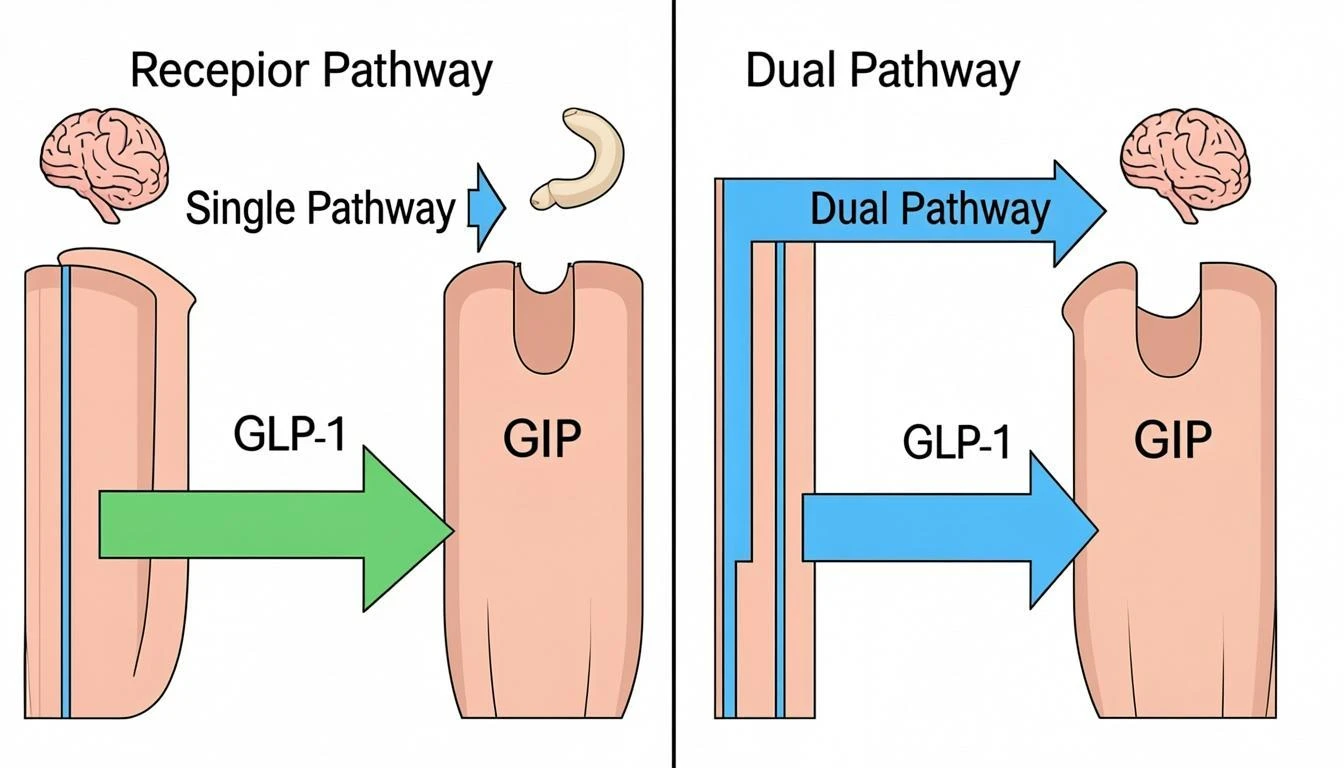
When patients compare saxenda vs zepbound, they often note that Saxenda works by a single hormonal pathway, whereas Zepbound targets two. The active ingredient liraglutide was originally developed at a lower dose as Victoza for type 2 diabetes before its weight loss application was discovered and approved at the higher 3.0 mg daily dose.
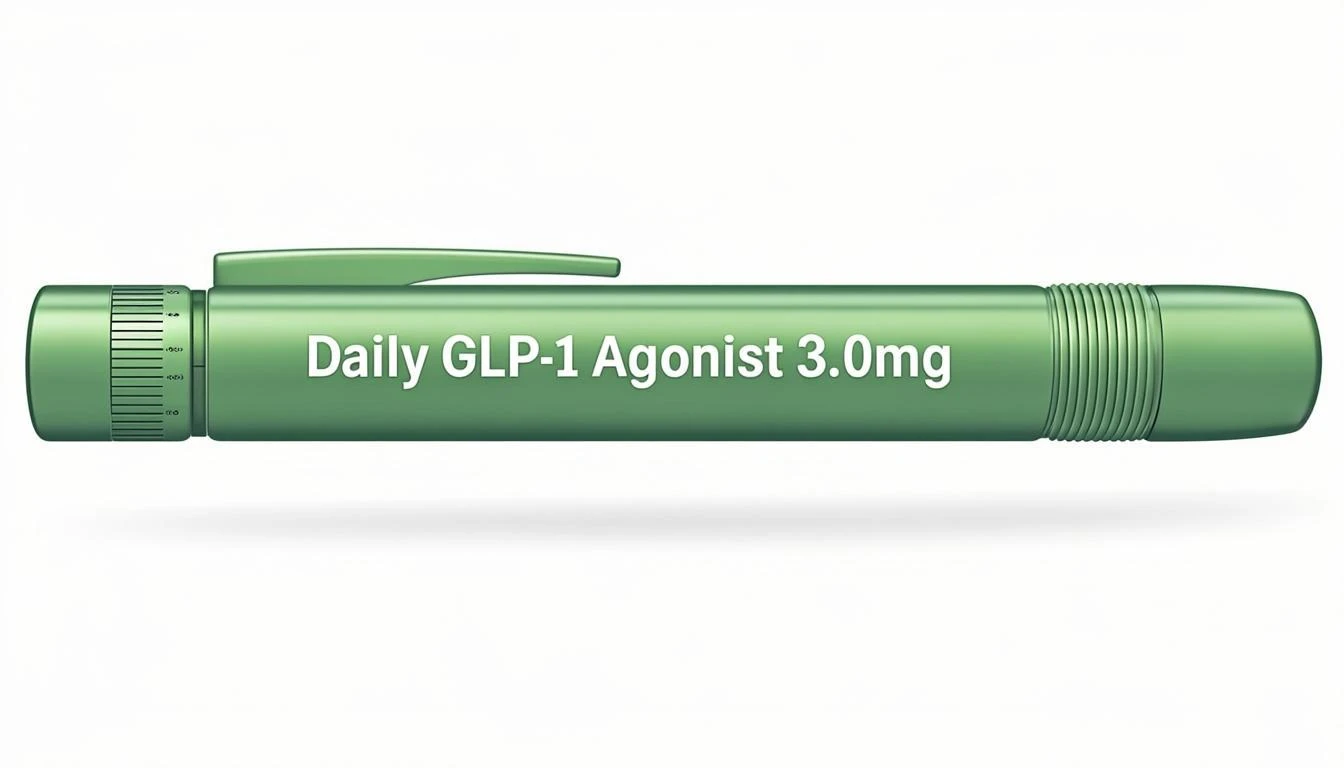
When evaluating saxenda vs zepbound for safety, it is worth noting that Saxenda carries a boxed warning from the FDA regarding the potential risk of thyroid C-cell tumors, based on studies in rodents.
This risk has not been confirmed in humans. However, patients with a personal or family history of medullary thyroid carcinoma or Multiple Endocrine Neoplasia syndrome type 2 (MEN 2) should not use Saxenda. Always discuss the saxenda vs zepbound safety comparison with an endocrinologist or obesity medicine specialist.
What Is Zepbound? Understanding Tirzepatide
Zepbound (generic name: tirzepatide) is a once-weekly injectable prescription medication developed by Eli Lilly and Company. It received FDA approval in November 2023 for chronic weight management in adults with obesity (BMI 30+) or overweight (BMI 27+) with at least one weight-related condition.
In the saxenda vs zepbound discussion, Zepbound stands out because it represents a newer generation of weight loss medications that target multiple hormonal pathways simultaneously.
The active ingredient tirzepatide is a dual glucose-dependent insulinotropic polypeptide (GIP) and GLP-1 receptor agonist. This dual-action mechanism makes the saxenda vs zepbound comparison particularly interesting for patients and clinicians alike.
While Saxenda activates only the GLP-1 receptor, Zepbound activates both GIP and GLP-1 receptors. This is believed to contribute to its more pronounced weight loss effects. When patients ask doctors about saxenda vs zepbound, the dual-receptor mechanism is often the primary differentiating factor discussed.

It is important to note that Zepbound contains the same active ingredient as Mounjaro, Eli Lilly’s diabetes medication. The distinction lies in the approved dosing and intended use.
For patients weighing the saxenda vs zepbound decision, Zepbound shares the same boxed warning regarding thyroid C-cell tumors as Saxenda. Both medications are contraindicated for patients with a history of medullary thyroid carcinoma or MEN 2.
Difference 1: How They Work — Mechanism of Action
The most fundamental difference in the saxenda vs zepbound comparison lies in their mechanisms of action. Saxenda (liraglutide) is a selective GLP-1 receptor agonist, binding to and activating only one type of receptor in the body.
GLP-1 is an incretin hormone that stimulates insulin secretion, suppresses glucagon release, slows gastric emptying, and acts on appetite centers in the brain to promote feelings of fullness and reduce hunger.
When healthcare providers discuss the saxenda vs zepbound mechanism difference, they often describe Saxenda as a well-understood, single-pathway approach with over a decade of real-world evidence.
Zepbound (tirzepatide) is the first FDA-approved medication that simultaneously targets both GIP and GLP-1 receptors. This dual agonism is what many experts believe accounts for the superior weight loss results seen in clinical trials.
The GIP receptor activation appears to complement the GLP-1 effects by enhancing insulin secretion, improving lipid metabolism, and providing additional appetite suppression. However, it also means the long-term safety data is less extensive than what exists for Saxenda.
Another key aspect of the saxenda vs zepbound comparison relates to injection frequency. Saxenda requires a daily subcutaneous injection, while Zepbound is administered only once per week.
For many patients, weekly dosing is a significant factor when choosing between saxenda vs zepbound. Daily injections can feel burdensome and reduce medication adherence, whereas weekly injections tend to be easier to incorporate into a routine.
Difference 2: Weight Loss Results and Clinical Evidence
When patients and doctors discuss saxenda vs zepbound, clinical trial data for weight loss effectiveness is typically the most closely examined factor. The evidence for Saxenda comes primarily from the SCALE clinical trial program.
The SCALE trials demonstrated that patients taking Saxenda alongside a reduced-calorie diet and increased physical activity lost an average of approximately 8% of their body weight over 56 weeks. Meaningful weight loss (5%+ of baseline) was achieved by approximately 63% of Saxenda patients compared to 27% on placebo.
The clinical evidence for Zepbound is based on the SURMOUNT trial program. The SURMOUNT-1 trial, published in the New England Journal of Medicine, reported that patients receiving the highest approved dose lost an average of approximately 20.9% of their body weight over 72 weeks.
Even at lower doses, Zepbound consistently outperformed the weight loss results seen with Saxenda in the SCALE trials. This stark difference in efficacy is the primary reason many patients lean toward Zepbound when comparing saxenda vs zepbound.
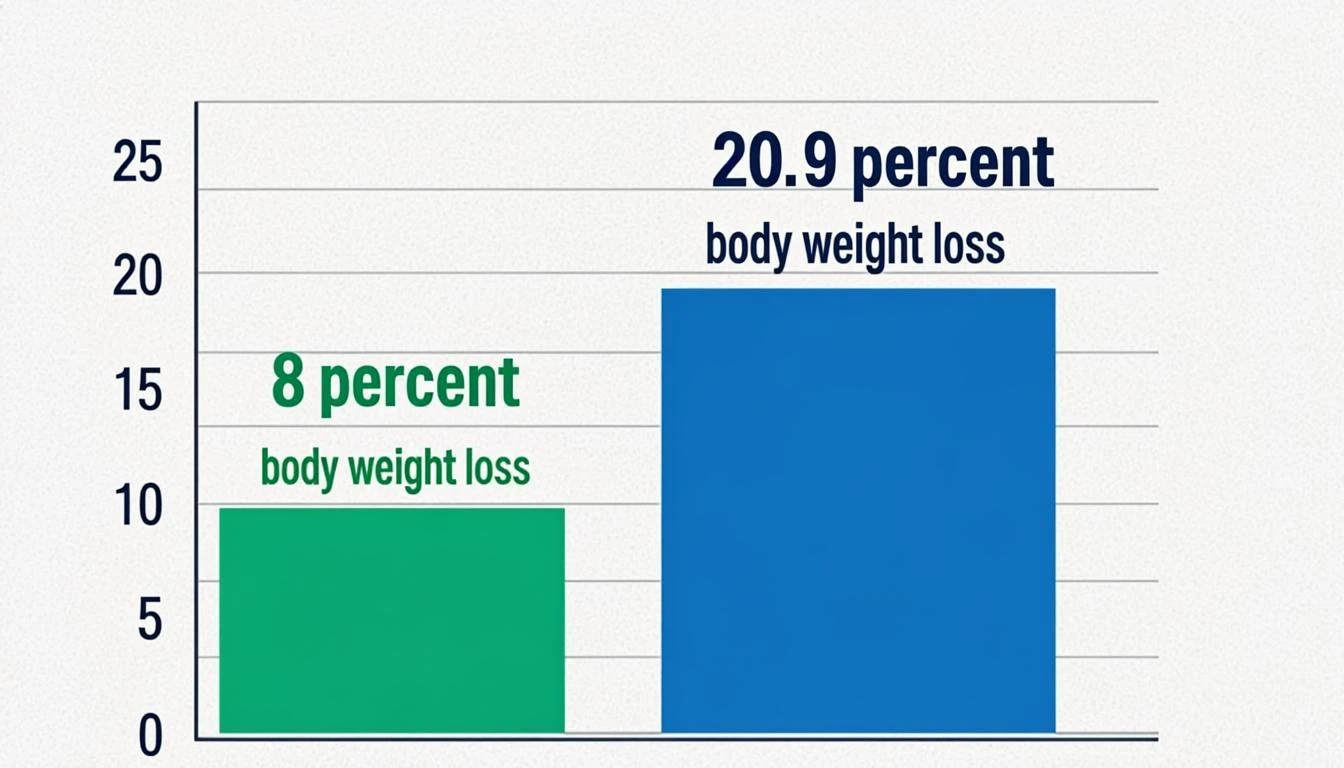
However, it is essential to contextualize these numbers. The trials had different durations (56 weeks vs 72 weeks), different patient populations, and different primary endpoints. Direct head-to-head trials are currently limited.
Both medications require lifestyle modifications including a reduced-calorie diet and regular physical activity. Neither Saxenda nor Zepbound is a standalone solution — they work alongside comprehensive behavioral changes.
Difference 3: Side Effects and Safety Profile
Understanding the side effects of each medication is a critical component of the saxenda vs zepbound decision. Both share similar adverse effects because they act on incretin hormone pathways, but there are notable differences in frequency and severity.
The most commonly reported side effects for both medications are gastrointestinal and tend to be most pronounced during the initial dose escalation period when the body is adjusting.
For Saxenda, the most frequently reported side effects include nausea (approximately 44% of patients), diarrhea, constipation, vomiting, dyspepsia, and abdominal pain. Saxenda is generally associated with a lower incidence of severe gastrointestinal events compared to Zepbound.
Saxenda patients also report headaches, dizziness, fatigue, and hypoglycemia — the latter primarily in patients also taking medications for type 2 diabetes.

Zepbound tends to produce more intense gastrointestinal side effects due to its dual GIP/GLP-1 receptor activation. In clinical trials, Zepbound side effects included nausea (58-85% depending on dose), diarrhea, vomiting, constipation, and abdominal discomfort.
In some cases, more serious events such as pancreatitis, gallbladder disease, and kidney injury have been reported. However, many patients find these effects manageable with proper dose titration and dietary adjustments.
Both medications carry the same FDA boxed warning regarding thyroid C-cell tumors and are contraindicated in patients with a personal or family history of MTC or MEN 2.
Difference 4: Dosing and Administration
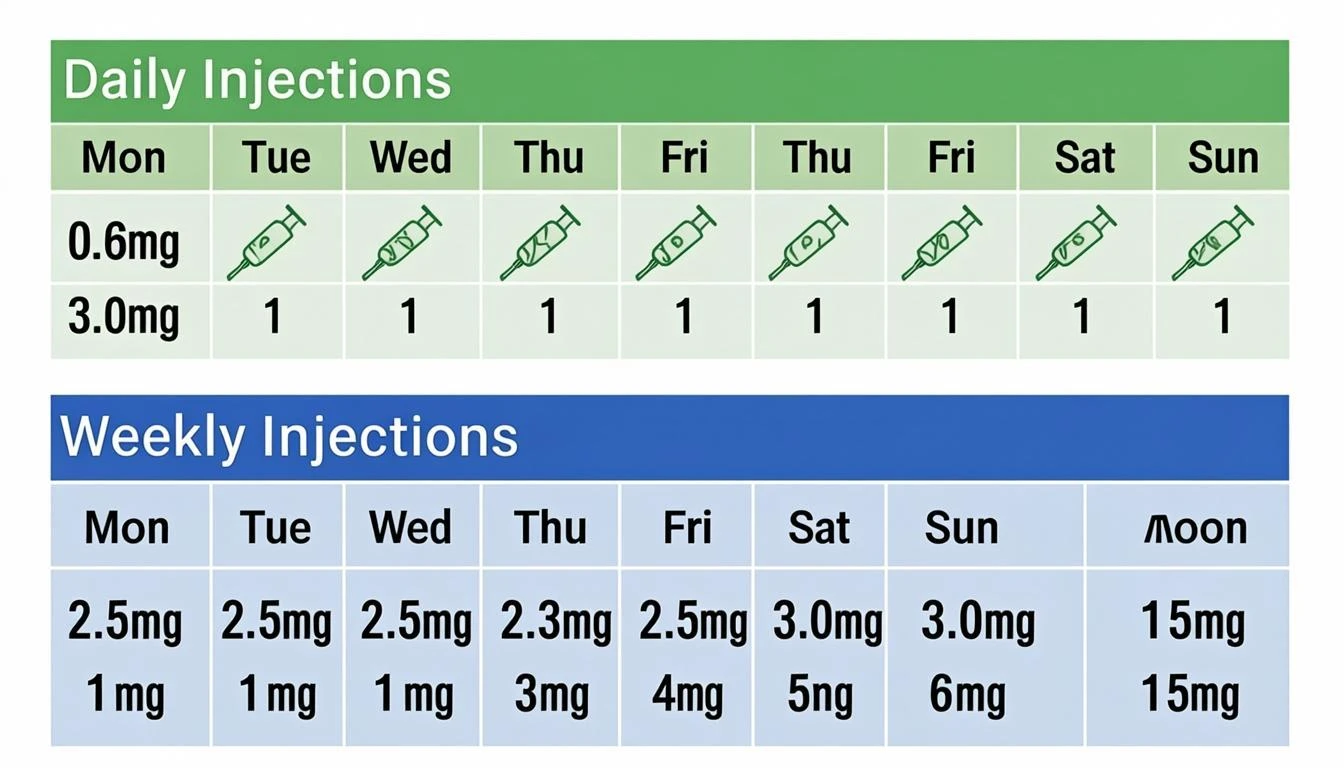
The dosing protocols represent another important distinction in the saxenda vs zepbound comparison. Saxenda is administered as a once-daily subcutaneous injection, typically taken at the same time each day regardless of meals.
The Saxenda dosing schedule begins at 0.6 mg per day for the first week. The dose is gradually increased by 0.6 mg each week until the maintenance dose of 3.0 mg per day is reached, usually by the fifth week. This escalation helps minimize gastrointestinal side effects.
Zepbound follows a once-weekly injection schedule, which many patients find significantly more convenient. The starting dose is 2.5 mg injected once weekly, maintained for the first four weeks as a tolerability assessment period.
After this initial period, the dose is increased to 5 mg weekly, and may be further increased in 2.5 mg increments every four weeks until the target maintenance dose of 15 mg is reached. Some patients may be maintained at lower doses (10 mg or 12.5 mg) based on tolerability and response.
Both medications are supplied as pre-filled, single-use injection pens designed for self-administration after proper training from a healthcare provider.
For storage, Saxenda pens should be refrigerated before first use but can be kept at room temperature for up to 30 days after the first injection. Zepbound pens should be refrigerated at all times during use.
Difference 5: Cost, Insurance Coverage, and Accessibility
The cost of treatment is one of the most discussed factors in the saxenda vs zepbound comparison. The list price for Saxenda is approximately $1,350 per month without insurance, while Zepbound carries a list price of approximately $1,060 per month.
However, actual out-of-pocket costs vary dramatically depending on insurance coverage, manufacturer savings programs, and pharmacy choice. Patients should explore all available financial assistance options for both medications.
For Saxenda, Novo Nordisk offers a savings card that can reduce the monthly cost for commercially insured patients to as little as $25 per month. The actual saxenda price with insurance depends on your plan’s formulary placement and coverage tier.
For Zepbound, Eli Lilly has introduced a similar savings program. Additionally, Zepbound Direct may provide the medication at a reduced cost for patients without insurance coverage. Check with both your insurance provider and manufacturers’ patient assistance programs.

Availability is another consideration. Saxenda has been widely available since 2015 and is typically in stock at most pharmacies. Zepbound, being newer, has experienced periodic supply shortages, though availability has improved significantly throughout 2025 and 2026.
Both medications require a valid prescription from a licensed healthcare provider and are not available over the counter.
Who Should Choose Saxenda vs Zepbound?
The decision between saxenda vs zepbound is not one-size-fits-all. The right choice depends on multiple individual factors that should be evaluated with your healthcare provider.
Patients who may be better suited for Saxenda include those who prefer a medication with a longer track record and more extensive long-term safety data. It is also ideal for those comfortable with daily injections who have established a consistent routine.
Additionally, patients who have experienced intolerable side effects from dual-receptor agonists, or individuals whose insurance plan specifically covers liraglutide with favorable copay terms, may benefit more from Saxenda.
Patients who may benefit more from Zepbound include those seeking the maximum possible weight loss outcome based on current clinical evidence. The convenience of once-weekly injections is a major advantage for many patients.
Zepbound is also a strong option for patients who have not achieved adequate weight loss with a GLP-1-only medication, or those whose insurance covers tirzepatide favorably. The superior weight loss results make it attractive for patients with severe obesity (BMI 35+) or multiple weight-related comorbidities.
Final Thoughts: Making the Right Choice for Your Health
The saxenda vs zepbound comparison reveals two effective but distinctly different approaches to pharmacological weight loss management. Saxenda offers a long-established safety record with over a decade of real-world clinical use.
Zepbound delivers significantly greater weight loss outcomes through its innovative dual GIP/GLP-1 receptor agonist mechanism. The choice should never be made in isolation — it requires a thorough evaluation of your medical history, current conditions, weight loss goals, insurance, and lifestyle preferences.
At CSV Medics, our licensed medical team is committed to helping you navigate the saxenda vs zepbound decision with personalized, evidence-based guidance. We recommend scheduling a consultation to discuss which medication aligns best with your health profile.
Remember that both medications work best when combined with lifestyle modifications including a balanced, nutrient-dense diet and regular physical activity. Reach out to our team to learn more about our comprehensive weight loss support programs.
Recommended Reading from CSV Medics
- View Saxenda Prescribing Information and Dosing Details
- View Zepbound Prescribing Information and Treatment Details
- How GLP-1 Prescriptions Work for Weight Loss
- Other Weight Loss Medication Comparisons on Our Blog
- Semaglutide Prescribing Information (Ozempic)
- Saxenda Safety Information and Side Effects
- Zepbound Side Effects Explained
- Our Comprehensive Weight Loss Programs
- How Our Medical Weight Loss Process Works
- Schedule a Weight Loss Consultation
- Zepbound Treatment and Mechanism Details
- Liraglutide Peptide Information
- Frequently Asked Questions About Weight Loss Medications
Sources and Clinical References
- FDA — Saxenda Approval and Safety Information
- SURMOUNT-1 Trial: Tirzepatide for Obesity — New England Journal of Medicine
- SCALE Trial: Liraglutide for Weight Management — New England Journal of Medicine
- CDC — Adult Obesity Information and Statistics
- FDA — Zepbound Approval Press Release and Safety Details
CSV Medic Medical Review
This article was published by Dr Spencer and the CSV Medic editorial team in collaboration with healthcare-focused reviewers experienced in medical weight loss education, prescription medication safety, and patient support. Our content is written for education, reviewed for clarity, and updated when clinical guidance or product information changes.
CSV Medic content is informational only and does not replace care from a licensed medical provider. Always speak with a qualified clinician before starting, stopping, or changing any medication or weight loss program.
