
Weight Loss Education, Weight Loss Medication
Ozempic and Pregnancy: 8 Critical Safety Facts

Aug
Ozempic pregnancy guidance is clear that semaglutide should be discontinued before a planned pregnancy according to the current product label, which specifies stopping at least two months before conception because of its long washout period. A person who becomes pregnant during treatment should contact the prescriber and obstetric team promptly rather than panic or make assumptions from online stories.
This patient guide explains ozempic pregnancy in plain language, including what current evidence can and cannot show, who needs extra caution, and which questions to take to a licensed provider. It does not assume that one study average or online story predicts an individual result.Ozempic and Pregnancy:
Key Takeaways
- Ozempic while pregnant requires individualized medical advice because weight loss is not a treatment goal during pregnancy and diabetes control remains important for maternal and fetal health.
- Human semaglutide pregnancy data remain limited compared with common pregnancy medicines.
- An Ozempic pregnancy registry or observational research may improve knowledge over time, but limited data cannot prove zero risk.Ozempic and Pregnancy:
- Patients should verify the exact product, evidence, source, and monitoring plan before making a decision.
Understanding Ozempic and Pregnancy
Ozempic while pregnant requires individualized medical advice because weight loss is not a treatment goal during pregnancy and diabetes control remains important for maternal and fetal health
Getting pregnant on Ozempic can happen unexpectedly, including after weight or metabolic changes affect cycles. Ozempic and fertility is an active discussion, but improved ovulation in some people does not make semaglutide a fertility drug. Related patient questions include ozempic while pregnant, ozempic and fertility, ozempic pregnancy warning. Other discussions involve ozempic before pregnancy, ozempic breastfeeding, semaglutide pregnancy, getting pregnant on ozempic, ozempic pregnancy registry. Each phrase can refer to different products, goals, and evidence, so exact definitions and current regulatory status matter.
What the Evidence Shows
Semaglutide has a long half-life and remains in the body after the last dose. Pregnancy risk assessment considers exposure timing, dose history, diabetes control, other medicines, and available human and animal data.
1. Biological rationale
Semaglutide has a long half-life and remains in the body after the last dose. Pregnancy risk assessment considers exposure timing, dose history, diabetes control, other medicines, and available human and animal data.
2. Human evidence
Human semaglutide pregnancy data remain limited compared with common pregnancy medicines. Product labeling uses animal findings, pharmacology, available reports, and the known risks of poorly controlled diabetes to guide counseling.
3. Important uncertainty
An Ozempic pregnancy registry or observational research may improve knowledge over time, but limited data cannot prove zero risk. Ozempic breastfeeding decisions also require current product guidance and clinical review.
4. Real-world interpretation
Preconception planning should coordinate diabetes treatment, folic acid, glucose targets, eye and kidney care, nutrition, and a safer medication transition before stopping contraception.

Quick Evidence and Safety Comparison
| Decision area | What supports confidence | What requires caution |
|---|---|---|
| Planning pregnancy | Stop according to current label and transition care | Abrupt change without glucose plan |
| Accidental exposure | Contact prescriber and obstetric team | Panic or online risk estimates |
| Diabetes management | Pregnancy-specific glucose plan | Leaving hyperglycemia untreated |
| Breastfeeding | Current label and shared decision | Assuming pregnancy advice is identical |
This table places ozempic pregnancy in clinical context. It is not a dosing guide, endorsement, or substitute for current prescribing and regulatory information.
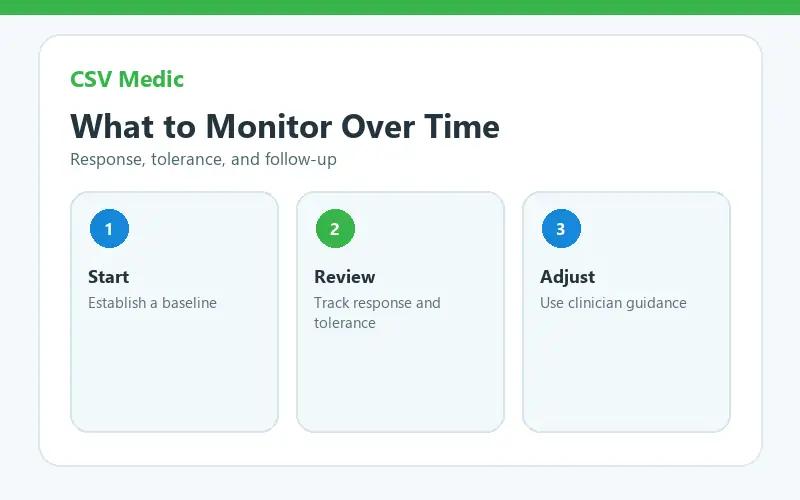
What Patients May Notice Over Time
Changes and side effects do not follow one universal schedule. A useful monitoring plan looks at stages rather than promises.
| Stage | What may happen | What to discuss |
|---|---|---|
| Before conception | Review medicines and stop semaglutide on label timeline | Alternative diabetes plan |
| Positive test | Report timing of last dose and current glucose | Obstetric and endocrine coordination |
| Pregnancy | Monitor glucose, nutrition, fetal and maternal health | Avoid weight-loss goals |
| Postpartum | Review breastfeeding, contraception, and long-term therapy | Do not restart automatically |
A timeline for ozempic pregnancy is a framework, not a promise. Response can vary with the exact product, dose or exposure, medical history, adherence, nutrition, activity, sleep, and follow-up.Ozempic and Pregnancy:
Safety, Side Effects, and Warning Signs
An Ozempic pregnancy warning is not a reason to abandon diabetes care. High glucose itself can increase pregnancy risks, so medication changes need an obstetric and diabetes plan.
Product identity and quality
The name alone does not verify ingredients, concentration, sterility, storage, or lawful dispensing. Use current regulatory information and licensed channels.
Symptoms deserve precise assessment
An Ozempic pregnancy warning is not a reason to abandon diabetes care. High glucose itself can increase pregnancy risks, so medication changes need an obstetric and diabetes plan.
Interactions and health history
A clinician should review prescriptions, over-the-counter products, supplements, allergies, pregnancy plans, organ function, and relevant prior conditions.
Monitoring must match the risk
A credible plan defines baseline assessment, follow-up timing, expected response, stopping rules, and urgent warning signs.
Who Should Avoid It or Seek Specialist Advice?Ozempic and Pregnancy:
Some people should avoid treatment, while others need specialist input or closer monitoring. The answer depends on the exact product and intended use.
- Do not use Ozempic for intentional weight loss during pregnancy.
- Do not stop all diabetes treatment after a positive test without urgent clinical guidance.
- Do not assume irregular cycles prevent conception.Ozempic and Pregnancy:
- Do not restart during breastfeeding without reviewing current label and infant-feeding context.
- Seek specialist advice for pre-existing diabetes, kidney disease, eye disease, or prior pregnancy complications.Ozempic and Pregnancy:
This is not a complete contraindication list. Product-specific prescribing information and a clinician’s assessment take priority, especially during pregnancy, breastfeeding, planned surgery, serious illness, or when several medicines affect the same body system.
How to Make a More Informed Decision
Preconception planning should coordinate diabetes treatment, folic acid, glucose targets, eye and kidney care, nutrition, and a safer medication transition before stopping contraception.
- Verify approval status and whether the intended use is included in current labeling.
- Compare the claim with human trials, not only laboratory or animal findings.
- Confirm the prescriber, pharmacy or supplier, exact formulation, and storage requirements.
- Review approved alternatives and non-drug options for the same goal.
- Create a written monitoring and follow-up plan before exposure begins.Ozempic and Pregnancy:

Benefits and Limitations at a Glance Ozempic and Pregnancy:
| Potential value | Important limitation |
|---|---|
| May answer an important clinical or research question | Biological plausibility does not prove patient benefit |
| Some topics have randomized human evidence | Population averages cannot predict one person’s outcome |
| Medical oversight can improve selection and monitoring | Poor-quality or unlawful sourcing adds avoidable risk |
The balanced view of ozempic pregnancy is neither automatic enthusiasm nor blanket rejection. The quality of evidence, legal status, product source, patient selection, and monitoring determine how useful the information is in real care.
Myths vs Facts
Myth: High search interest proves Ozempic and Pregnancy works
Fact: Popularity measures attention, not effectiveness or safety.
Myth: A peptide is automatically natural and safe
Fact: Peptides can have potent biological effects, contraindications, and quality risks.
Myth: A before-and-after story is clinical proof
Fact: Anecdotes cannot control for diet, other medicines, selection, or image differences.
Myth: Compounded and FDA-approved products are identical
Fact: Compounded drugs are not FDA approved and do not undergo the same premarket review.
Lifestyle Support Still Matters Ozempic and Pregnancy:
Lifestyle care should match the medical goal. For metabolic and weight concerns, adequate protein, fiber-rich foods, hydration, resistance activity, aerobic movement, sleep, and behavioral support remain relevant. For skin or recovery topics, nutrition, sun protection, rehabilitation, and diagnosis-specific care may matter more than a product claim.
- Use a sustainable eating pattern with adequate protein, fiber, fluids, and micronutrients. Ozempic and Pregnancy:
- Include resistance exercise when medically appropriate to help preserve strength and lean mass.
- Build activity gradually and choose a plan that can continue during travel, stress, and busy weeks.
- Track symptoms, function, sleep, and relevant health measures instead of relying only on scale weight.
- Keep scheduled follow-up so the care team can review response, adherence, access, and safety.
Related CSV Medic Guides and Services
The following CSV Medic resources provide context on medical weight management, medication comparisons, peptide education, and consultation pathways. Product pages are linked for factual context only and do not establish that a product is appropriate, approved, or available for a particular person.
- Ozempic semaglutide information
- Online consultation guide
- Weight loss programs
- Start a consultation
- Peptide education and products
- Weight loss peptide collection
- CSV Medic health articles
- Medical disclaimer
Frequently Asked Questions About Ozempic and Pregnancy
Can you take Ozempic while pregnant?
Current labeling advises against semaglutide use for weight loss during pregnancy and provides discontinuation guidance. Ozempic and Pregnancy:
How long before pregnancy should Ozempic stop?
The current label advises stopping at least two months before a planned pregnancy.
What if I get pregnant on Ozempic?
Contact the prescriber and obstetric team promptly and provide the last dose date; do not rely on online anecdotes. Ozempic and Pregnancy:
Does Ozempic affect fertility?
It is not a fertility treatment, though metabolic or weight changes may influence ovulation in some people. Ozempic and Pregnancy:
Can Ozempic cause birth defects?
Human data are limited; the label discusses animal findings and risk uncertainty.
Can I use Ozempic while breastfeeding?
Use current product-specific guidance and a clinician’s assessment of maternal need and infant feeding.
Should I stop contraception while taking Ozempic?
Pregnancy planning should be coordinated with the prescriber before stopping contraception.
How is diabetes managed during pregnancy?
Pregnancy-specific treatments, glucose targets, nutrition, and monitoring are selected by the obstetric and diabetes team. Ozempic and Pregnancy:
Questions to Ask Before Making a Decision
- What is the current evidence and regulatory status for ozempic pregnancy?
- Does this option match my diagnosis, health history, other medicines, and treatment goals?
- What side effects and warning signs should I report, and how quickly?
- How will we monitor progress, nutrition, laboratory results, and medication interactions?
- What is the lawful source, exact product, expected cost, and plan if access changes?
- Which approved alternatives have stronger evidence for my particular needs? Ozempic and Pregnancy:
The Bottom Line
Ozempic pregnancy decisions require calm, timely clinical coordination. Planned conception calls for the label’s washout period and a replacement diabetes plan. Accidental exposure calls for prompt reporting and individualized counseling, not blame or unsupported certainty. Ozempic and Pregnancy:
CSV Medic can help patients understand legally available medical weight-management options and prepare for a licensed-provider consultation. Contacting the clinic does not guarantee a prescription, and investigational or unapproved products should never be treated as routine patient therapies. Ozempic and Pregnancy:
Sources and Further Reading
CSV Medic reviewed current prescribing information, government guidance, clinical-trial records, and peer-reviewed medical literature while preparing this guide. These followed references let readers inspect the evidence and regulatory context directly.
- FDA Ozempic application and labeling
- MotherToBaby semaglutide fact sheet
- CDC diabetes during pregnancy
- NIDDK pregnancy and diabetes
- FDA pregnancy and lactation labeling
- PubMed semaglutide pregnancy research
- ACOG prepregnancy counseling
- MedlinePlus semaglutide injection
About the Author and Medical Review
This article was medically reviewed and published by Dr Spencer and the CSV Medic editorial team in collaboration with licensed healthcare providers experienced in medical weight management. Content is checked against current prescribing information, regulatory guidance, and peer-reviewed research.
Medical Disclaimer
This article is for educational purposes only and is not medical advice, diagnosis, or a prescription. A licensed healthcare provider must determine whether a medicine, peptide, or treatment plan is appropriate for you. Do not start, stop, combine, or change a dose without medical guidance. Approval status, evidence, access, and insurance rules can change. Seek urgent care for severe or rapidly worsening symptoms.
