

B7-33 Peptide

Price range: $65.00 through $240.00
B7-33 Peptide is a research-grade relaxin mimetic peptide associated with cellular signaling studies, relaxin receptor investigations, tissue remodeling research, and biotechnology innovation programs. Recognized for its specialized scientific profile, B7-33 Peptide continues attracting interest from universities, research institutions, biotechnology companies, and professional peptide suppliers worldwide.
B7-33 Peptide
A Relaxin-Mimetic Peptide Driving Interest in Advanced Cellular Signaling Research
Innovation within peptide science often comes from understanding how naturally occurring biological messengers influence the body’s communication networks. As researchers continue investigating complex signaling pathways, compounds associated with relaxin biology have emerged as an important area of scientific exploration. Among these, B7-33 Peptide has gained recognition for its connection to relaxin receptor research and tissue-focused biological investigations.
Unlike many peptides associated with cosmetic science, metabolic wellness, or performance-related discussions, B7-33 Peptide is primarily known within biotechnology and research environments. Its growing visibility stems from scientific interest in relaxin-related pathways and the role these mechanisms may play in cellular communication and tissue response studies.
The increasing investment in biotechnology, peptide development, and translational science has further contributed to awareness of B7-33 Peptide among research institutions, universities, and professional peptide suppliers. As the global peptide sector continues expanding, products linked to emerging biological pathways remain important components of future scientific innovation.
For organizations involved in peptide procurement and research supply, B7-33 Peptide represents a specialized product category that combines scientific relevance with increasing commercial demand from advanced research markets.
Product Specifications
Product Name: B7-33 Peptide
Category: Relaxin Mimetic Peptide
Appearance: White to Off-White Lyophilized Powder
Purity: ≥98%
Form: Freeze-Dried Powder
Packaging: Sterile Sealed Vial
Grade: Research Grade
Storage Conditions: Refrigerated Storage Recommended
Shelf Life: According to Batch Specifications
Applications: Relaxin Research, Cellular Signaling Studies, Tissue Remodeling Investigations, Biotechnology Programs, Scientific Innovation Projects
What Makes B7-33 Peptide Different?
The peptide industry includes thousands of compounds, but only a small number are associated with highly specialized biological pathways. B7-33 Peptide stands apart because of its relationship to relaxin receptor biology and its role within scientific investigations focused on tissue signaling mechanisms.
Researchers continue exploring how relaxin-related pathways contribute to cellular behavior and biological regulation. This has positioned B7-33 Peptide as a noteworthy compound within modern peptide research programs.
Its unique scientific profile has attracted attention from academic researchers and biotechnology organizations looking for innovative tools capable of supporting advanced biological investigations.
Expanding Opportunities in Biotechnology Research
Biotechnology companies are increasingly investing in research focused on signaling molecules and pathway-specific compounds. This trend has created growing interest in products such as B7-33 Peptide, which are associated with emerging areas of scientific discovery.
Research institutions continue seeking compounds linked to specialized biological mechanisms rather than broad-spectrum approaches. As a result, peptides connected to well-defined receptor systems continue attracting professional interest.
The continued expansion of molecular biology programs, peptide development projects, and cellular research initiatives suggests that compounds such as B7-33 Peptide will remain relevant within scientific communities for years to come.
Scientific Applications of B7-33 Peptide
Relaxin Pathway Investigations
The study of relaxin receptor biology remains an active area of scientific research. Researchers continue exploring how these signaling pathways influence cellular responses and physiological regulation.
Cellular Communication Research
Understanding how cells exchange information remains one of the most important objectives within life sciences. B7-33 Peptide is frequently discussed in relation to studies involving biological signaling mechanisms.
Tissue Response Studies
Scientists continue investigating pathways associated with tissue adaptation and structural maintenance. Specialized peptides remain important tools within these research programs.
Biotechnology Innovation
Advanced research organizations continue evaluating emerging peptide technologies capable of contributing to scientific progress and biological understanding.
Academic Research Programs
Universities and scientific institutions worldwide continue monitoring compounds linked to novel biological pathways and cellular regulation systems.
Commercial Interest in B7-33 Peptide
The global peptide market continues growing as demand for research-grade compounds expands across biotechnology, pharmaceutical, and academic sectors.
B7-33 Peptide has attracted commercial interest because it belongs to a category of products associated with highly specialized scientific investigations. Professional peptide distributors increasingly seek innovative compounds that align with current research trends and emerging biotechnology opportunities.
For suppliers serving research organizations and scientific institutions, products associated with advanced signaling pathways often represent attractive additions to expanding peptide portfolios.
As awareness of relaxin biology continues increasing, demand for products connected to these pathways may continue growing among professional buyers worldwide.
Market Relevance and Industry Outlook
The future of peptide science is increasingly focused on precision biology and targeted pathway investigations. Compounds associated with specific receptor systems and cellular signaling mechanisms continue attracting attention from researchers and biotechnology investors.
B7-33 Peptide occupies a distinctive position within this environment because of its connection to relaxin research and tissue-related biological investigations. This specialized focus differentiates it from many other peptide categories currently available on the market.
As biotechnology continues advancing, organizations involved in scientific innovation are expected to maintain strong interest in products associated with emerging biological discoveries and next-generation peptide technologies.
Conclusion
B7-33 Peptide continues to gain recognition within biotechnology and research sectors due to its association with relaxin receptor pathways, cellular communication studies, and tissue-focused scientific investigations. Its growing visibility reflects broader trends within peptide science as researchers increasingly focus on specialized biological mechanisms and targeted signaling pathways.
As scientific exploration expands and biotechnology investment continues rising, B7-33 Peptide remains a notable product within the evolving landscape of advanced peptide research.
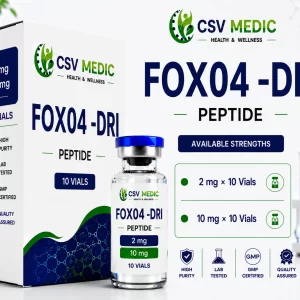
| Dosage | 10 mg x 10 Vials, 2 mg x 10 Vials |
|---|
Be the first to review “B7-33 Peptide”
Related products

Research Peptides
Research Peptides
Research Peptides

Research Peptides

Research Peptides
Research Peptides
Research Peptides

Research Peptides
Reviews
There are no reviews yet.